

 See My Latest Article on HelloNation
What Should You Do First if Your Debit Card Is Lost or Stolen?
Acting quickly is the best way to reduce the risk of unauthorized transactions if your debit card disappears. The first priority is to report the loss to your bank so the card can be frozen and your funds protected. Most financial institutions have 24-hour customer service lines for reporting lost or stolen cards. If you still have online or mobile access to your account, many banks allow you to temporarily lock your card yourself.
Even if you’re unsure whether the card is lost or just misplaced at home, it’s safer to notify your bank immediately. Delays may increase your potential liability for fraudulent charges. In some cases, area banks also provide options for replacing cards through drive-thru services or kiosks—helpful for local residents who need access outside of traditional lobby hours.
How Much Time Do You Have to Report a Missing Debit Card?
You are generally responsible for some unauthorized charges if your card is used before you report it missing, but the quicker you act, the less you risk. Federal law provides the following guidelines:
- If you report your card lost or stolen before any fraudulent charges are made, you are not responsible for any losses.
- If you notify the bank within two business days after learning your card is missing, your maximum loss is $50.
- If you report after two business days but within 60 days of the bank providing your statement, you could be liable for up to $500.
- After 60 days, your entire account balance could be at risk if unauthorized withdrawals were made.
This timeline is important for Hattiesburg residents, particularly when weekend hours or bank branch access could pose delays. Always save documentation noting when you reported the loss.
Can You Freeze or Deactivate Your Card Yourself?
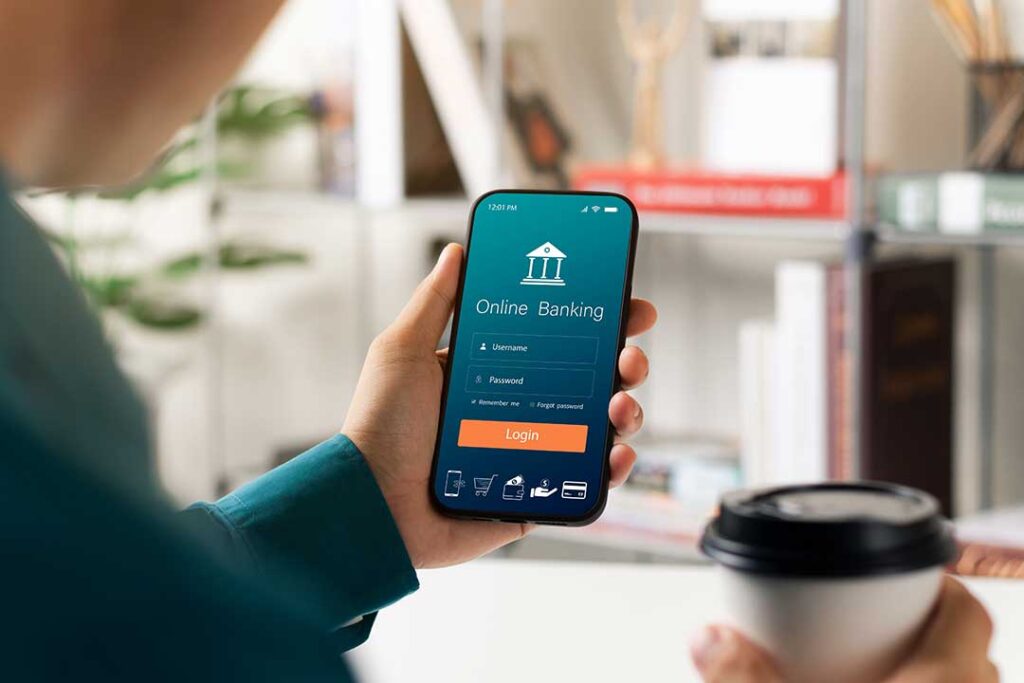
Many modern banking apps or online banking sites let you quickly lock or freeze your debit card as soon as you notice it missing. This tool can prevent any further charges while you search for your card or wait for a new one. If this self-service option is available, activate it immediately and contact your bank to arrange a permanent block and card replacement.
Area households sometimes discover a card missing while running errands, during local events, or after a busy day out. Having app-based controls is particularly useful in these situations, where reaching a branch in person might not be possible until the next business day.
Do You Need to File a Police Report?
Filing a police report is usually not required to block your card or dispute unauthorized transactions, unless the card theft is part of a larger crime such as purse snatching, vehicle break-ins, or home burglary. In those cases, making a report can help in recovery efforts and create documentation needed for insurance claims.
For most lost cards—such as those possibly left at a park, store, or misplaced at home—simply follow your bank’s loss-reporting process. If you suspect identity theft has occurred (for example, if your personal information along with your card is missing), consider documenting the incident with the local police department for extra protection.
Are Stolen Debit Cards Common in Hattiesburg?
The community sees debit card losses for a variety of reasons—misplaced wallets, unattended purses in public, or cards left behind at checkout counters. While local crime rates differ across neighborhoods, many debit card thefts are crimes of opportunity rather than targeted attacks.
Residents should remain cautious at busy public places like festivals, retail shopping centers, or gas stations. Using digital wallet services where possible, or monitoring your belongings closely in crowded areas, can reduce the risk of misplacing your cards.
What Steps Help Prevent Fraud While Waiting for Replacement?
After your bank confirms your card is blocked, take these extra precautions:
- Review your recent account activity for unfamiliar transactions.
- Inform any household members who may share account access about the missing card.
- Update automatic payments or subscriptions linked to your debit card—local utilities, streaming services, or memberships—since charges will be declined until your new card arrives.
- Safely store confirmation numbers and documentation related to your bank report.

These steps help ensure further unauthorized access is halted and make it easier to resolve any issues if suspicious charges do appear.
Will You Get a New Card Right Away?
Most banks in the area will mail a replacement card within several business days after you report the loss. Some banks offer instant-issue cards through select branches; others allow you to access cash or pay bills through the teller while waiting for your replacement. Ask about temporary solutions if you rely on your debit card for daily expenses.
During peak weather seasons or holidays, mail delays can occasionally impact delivery speed. Keep track of your replacement status using online tools when available, and store your new card securely once received.
What Are Common Misconceptions About Lost Debit Cards?
Many people believe they are not responsible for any fraud as long as a debit card is reported missing eventually, but state and federal rules make fast reporting essential. Another misconception is that changing your PIN alone will stop misuse—a lost card generally needs to be deactivated altogether.
Some assume a “locked” card can never be charged again, but only full deactivation prevents charges if someone physically has the card and uses a merchant that doesn’t require PIN entry. If you find your card after reporting it lost, don’t use it again; banks require you to destroy the old one and use the new replacement to prevent future security issues.
Could a Lost Card Affect Your Credit or Other Accounts?
Debit card losses do not directly affect your credit score, but any related overdrafts or misuse could result in negative records if not resolved. If your card is linked to other accounts (such as joint or teen accounts for area families), notify all parties and monitor linked activity closely.
Ongoing unauthorized use can sometimes indicate deeper identity fraud, so it’s wise to check your bank and credit statements carefully for several months after a card loss.