

 See My Latest Article on HelloNation
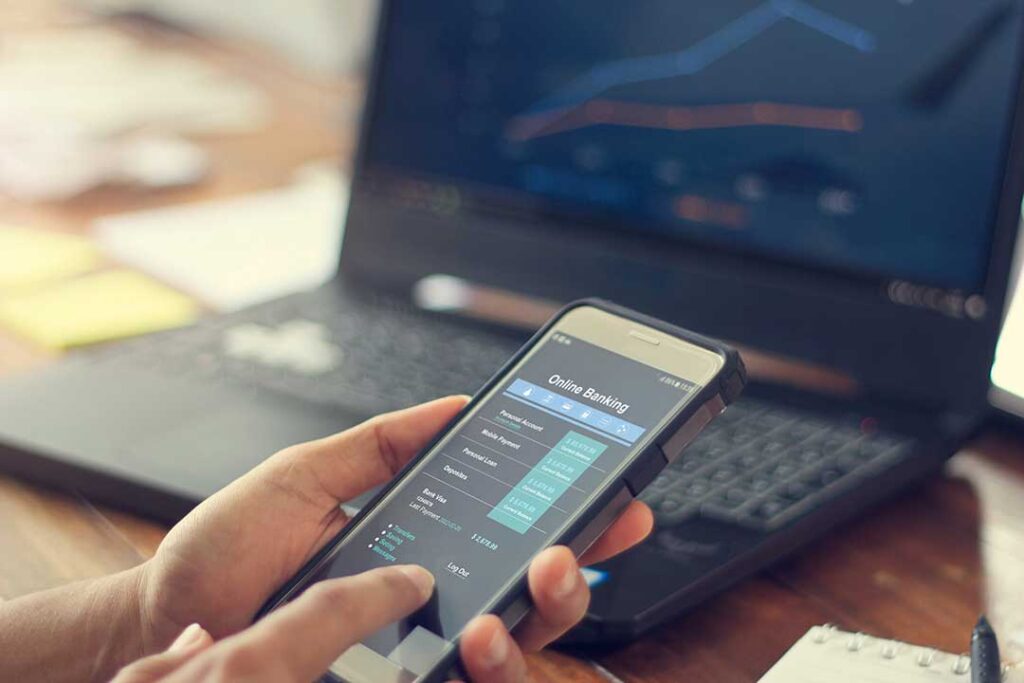
Can a bank account raise your credit score?
Opening or maintaining a checking or savings account usually does not raise a traditional credit score directly. Deposit accounts generally are not reported to the three major credit bureaus. Their greatest value is indirect: a well-managed bank account can help you pay credit accounts on time, control balances, avoid returned payments, and prepare for responsible borrowing. ([experian.com](https://www.experian.com/blogs/ask-experian/can-you-build-credit-with-bank-account/?utm_source=openai))
A bank can also provide tools that make credit management easier, such as automatic payments, balance alerts, budgeting features, and access to a credit score. These tools do not replace responsible credit use, but they can reduce the chance that a missed payment or high balance damages your credit profile.
For households in Hattiesburg, reliable account management can be especially useful when seasonal expenses, housing costs, vehicle repairs, insurance bills, or weather-related disruptions place pressure on a monthly budget.
Which banking habits have the greatest effect?
The most useful banking habits are the ones that support the factors used in credit scoring. FICO scores, for example, place the greatest weight on payment history and amounts owed. Payment history accounts for 35 percent of a typical FICO score, while amounts owed accounts for 30 percent. Other factors include credit history length, new credit, and credit mix. ([myfico.com](https://www.myfico.com/credit-education/whats-in-your-credit-score?utm_source=openai))
A checking account can support these habits in several practical ways:
- Direct deposit can make funds available before scheduled credit payments are due.
- Automatic payments can help prevent accidental late payments.
- Low-balance alerts can reduce the risk of overdrafts and declined payments.
- A separate savings balance can provide a cushion for irregular bills.
- Online account access can make it easier to monitor spending and credit card balances.
Automatic payments should be set for at least the minimum amount due, with enough money in the account to cover the withdrawal. Paying the full statement balance, when affordable, can help avoid interest while keeping the account current.
How can automatic payments prevent credit damage?
Payment history is the strongest influence on many credit scores. A payment that is reported 30 days late can hurt a score, and repeated or more serious late payments generally create greater damage. Getting current and remaining current can help over time, although improvement is not always immediate. ([myfico.com](https://www.myfico.com/credit-education/credit-scores/payment-history?utm_source=openai))
A practical setup is to use two reminders:
1. Schedule an automatic minimum payment several days before the due date.
2. Set a calendar or mobile alert for the statement due date so the remaining balance can be reviewed.
This approach is safer than relying only on automatic payment because it allows the account holder to check for unusual charges, a changed minimum payment, or an insufficient account balance.
Review recurring transfers after changing jobs, moving, switching accounts, or adjusting direct deposit. A missed payment caused by an outdated bank account can affect credit even when the borrower intended to pay on time.
How does a bank account help lower credit utilization?
Credit utilization is the percentage of a revolving credit limit currently being used. For example, a $600 balance on a card with a $2,000 limit represents 30 percent utilization. Credit scoring models generally view lower utilization more favorably, although there is no single ratio that guarantees a particular score. The Consumer Financial Protection Bureau advises avoiding balances close to the credit limit and notes that many experts recommend keeping usage at or below 30 percent when possible. ([myfico.com](https://www.myfico.com/credit-education/credit-scores/amount-of-debt?utm_source=openai))
A bank account can help reduce utilization by making it easier to:
- Pay down a card before the statement closing date.
- Divide a large payment between paydays.
- Transfer money into a dedicated bill-payment account.
- Track the balance before making additional purchases.
The balance reported to a credit bureau may be the balance from the latest statement, not necessarily the amount owed on the day a payment is made. Paying a card in full every month is responsible, but a high balance may still appear on the credit report if it was reported before the payment reached the account. ([myfico.com](https://www.myfico.com/credit-education/credit-scores/amount-of-debt?utm_source=openai))
Can a bank loan or secured card help build credit?
A credit card, secured card, personal loan, auto loan, or other account may help establish credit if the lender reports account activity to the credit bureaus. The account can contribute positive information when payments are made on time and balances are managed carefully.
A secured card usually requires a refundable deposit that serves as collateral for the credit limit. It can be useful for someone with limited credit history, but it should be treated like a regular credit card: use a small amount, pay on time, and confirm that the issuer reports payments.
A small installment loan may add account variety, but borrowing money solely to improve a score can create interest costs and payment risk. Credit mix is a relatively small scoring factor, and there is no need to take out a loan that does not fit the household budget. FICO identifies credit mix as about 10 percent of a typical score. ([myfico.com](https://www.myfico.com/credit-education/whats-in-your-credit-score?utm_source=openai))
Before opening any account, ask whether the lender reports to all three major credit bureaus, which scoring model may be used, what fees apply, and whether the payment will fit comfortably alongside rent, utilities, insurance, food, and transportation costs.

Do overdrafts lower a credit score?
An ordinary overdraft or nonsufficient-funds transaction is not usually reported to traditional credit bureaus. However, an unpaid negative balance or bank fee can become a larger problem if the account is closed and the debt is sent to collections. A returned automatic payment can also lead to a late credit card or loan payment. ([experian.com](https://www.experian.com/blogs/ask-experian/are-bank-accounts-affect-credit-report/?utm_source=openai))
To reduce this risk:
- Turn on low-balance notifications.
- Keep a small emergency reserve when possible.
- Track pending debit card transactions.
- Review automatic withdrawals before large seasonal expenses.
- Ask whether the account offers features that prevent spending beyond the available balance.
A low-risk account that declines transactions instead of permitting overdrafts may help some households avoid repeated fees, although account terms and fees should be reviewed carefully. ([consumerfinance.gov](https://www.consumerfinance.gov/ask-cfpb/what-is-a-low-risk-bank-account-and-who-is-it-for-en-2152/?utm_source=openai))
How should residents check whether progress is working?
Start by reviewing all three credit reports, not only the score displayed inside a banking app. The score shown by a bank may use a different scoring model or credit report than the score used by a lender. Checking personal credit reports does not lower credit scores. ([experian.com](https://www.experian.com/blogs/ask-experian/does-checking-your-credit-score-lower-it/?utm_source=openai))
Look for:
- Payments incorrectly marked late
- Accounts that do not belong to you
- Incorrect balances or credit limits
- Duplicate collection accounts
- Accounts listed as open after being closed
- Outdated personal information connected to another consumer
Dispute inaccurate information with the credit reporting company that displays it and retain copies of supporting records. Keep bank statements, payment confirmations, and correspondence showing when payments were made.
Credit improvement is usually measured over months rather than days. The most dependable pattern is consistent on-time payments, lower revolving balances, limited applications for new credit, and careful use of banking tools that keep bills funded and visible.